EDF Aircraft Competition - National Institute of Aeronautics and Space
Project Overview
Competition Overview
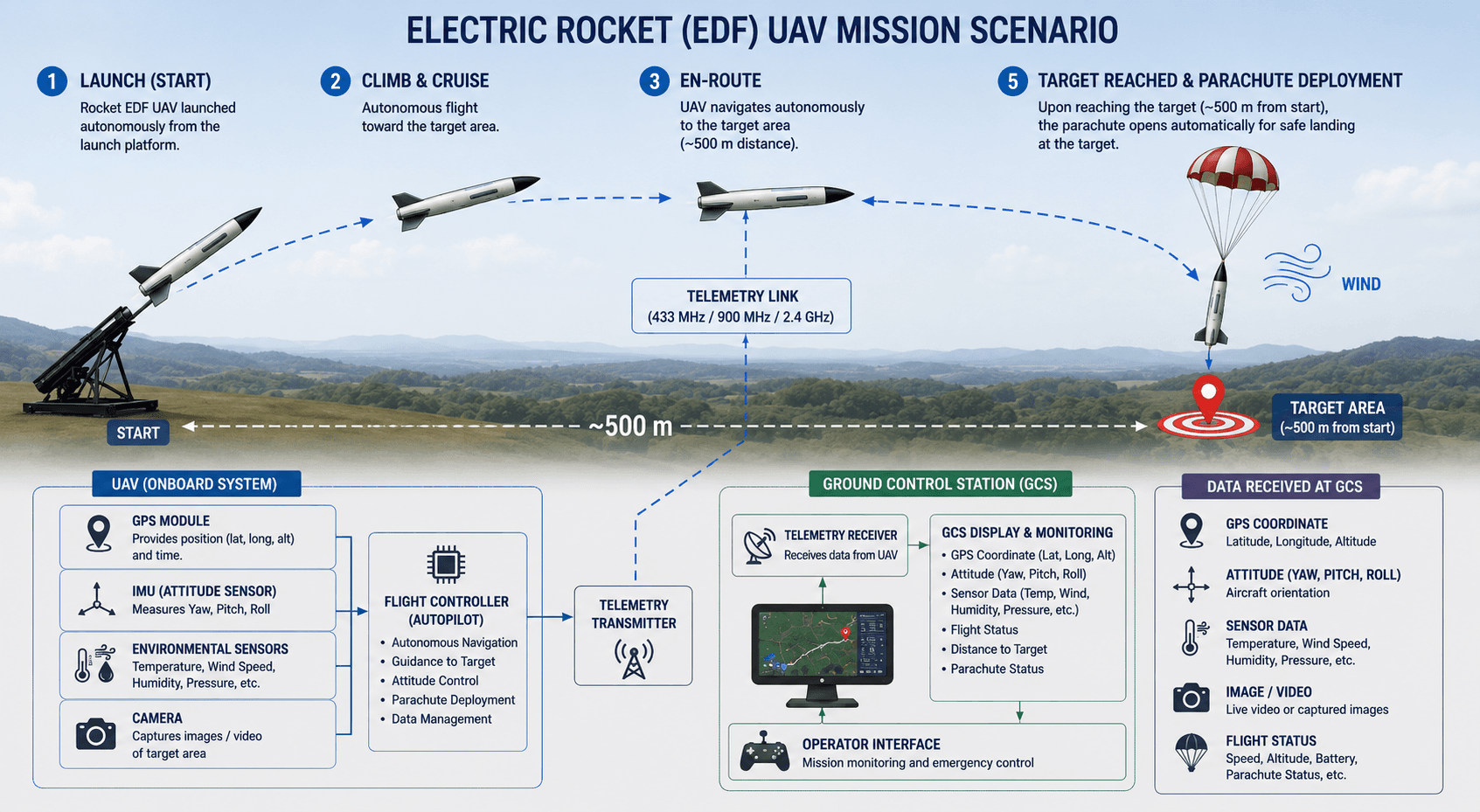
The competition focused on autonomous aerospace systems and mission-based UAV/rocket operations, where participants designed and implemented aircraft capable of reaching designated target areas accurately while transmitting real-time telemetry data such as GPS coordinates, attitude information, and sensor readings to the Ground Control Station (GCS).
Objective
The objective of the project was to develop an autonomous EDF aircraft system capable of stable flight, precise target navigation, real-time telemetry communication, and safe parachute-assisted landing at the designated destination.
Hardware Programming Role
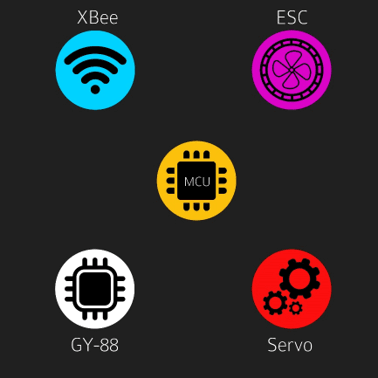
Total member for EDF category: 6 students, and 2 for Hardware Programmer. Responsible for embedded hardware programming and avionics integration including sensor interfacing, GPS telemetry acquisition, motor and actuator control, parachute deployment logic, serial communication, and real-time data transmission between the aircraft and Ground Control Station (GCS).
Key Results & Impact
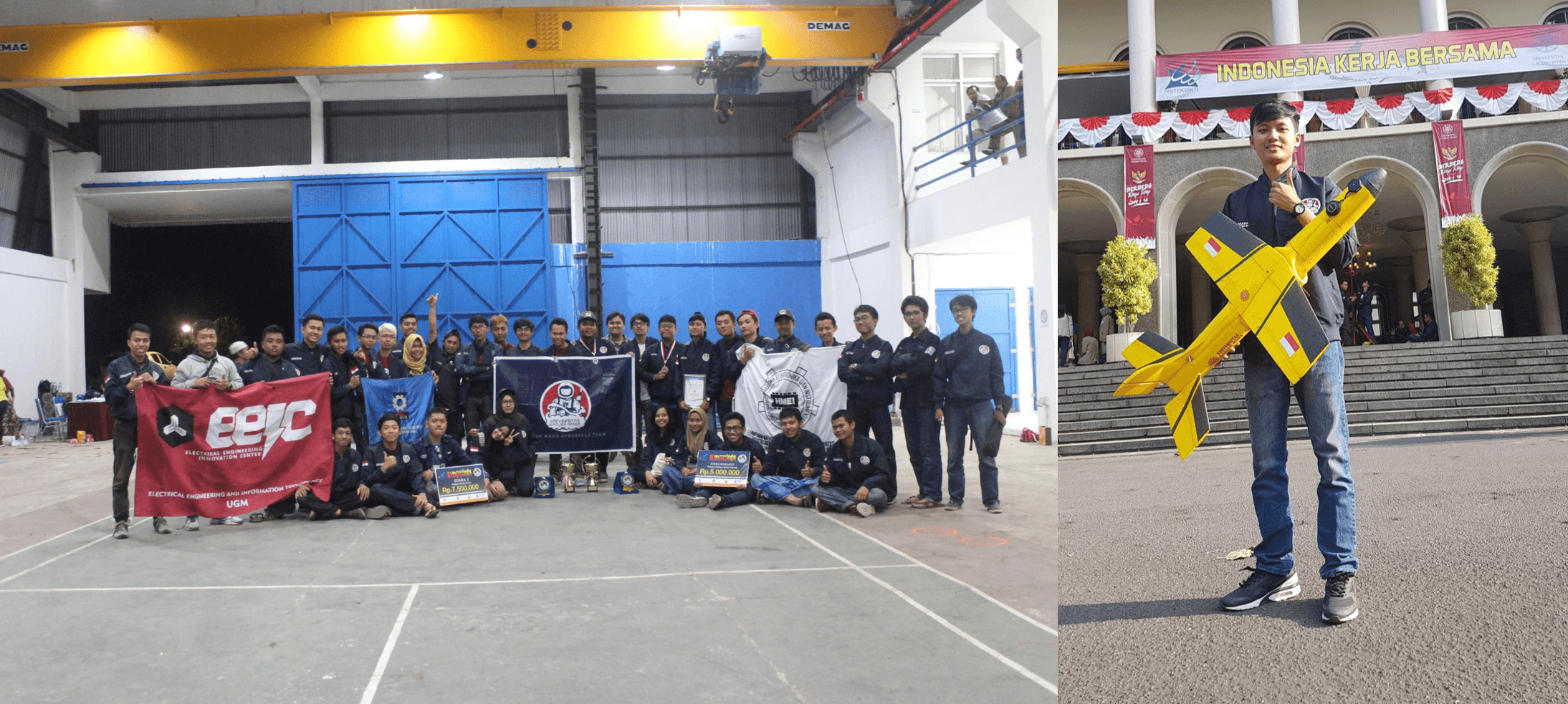
- ✓Awarded 1st Runner Up in the competition by successfully achieving autonomous EDF aircraft navigation with approximately 400 meters accuracy toward the designated target area.
- ✓Best Poster and Aircraft Design and Methodology
Technologies Used
Additional Information
Related Projects
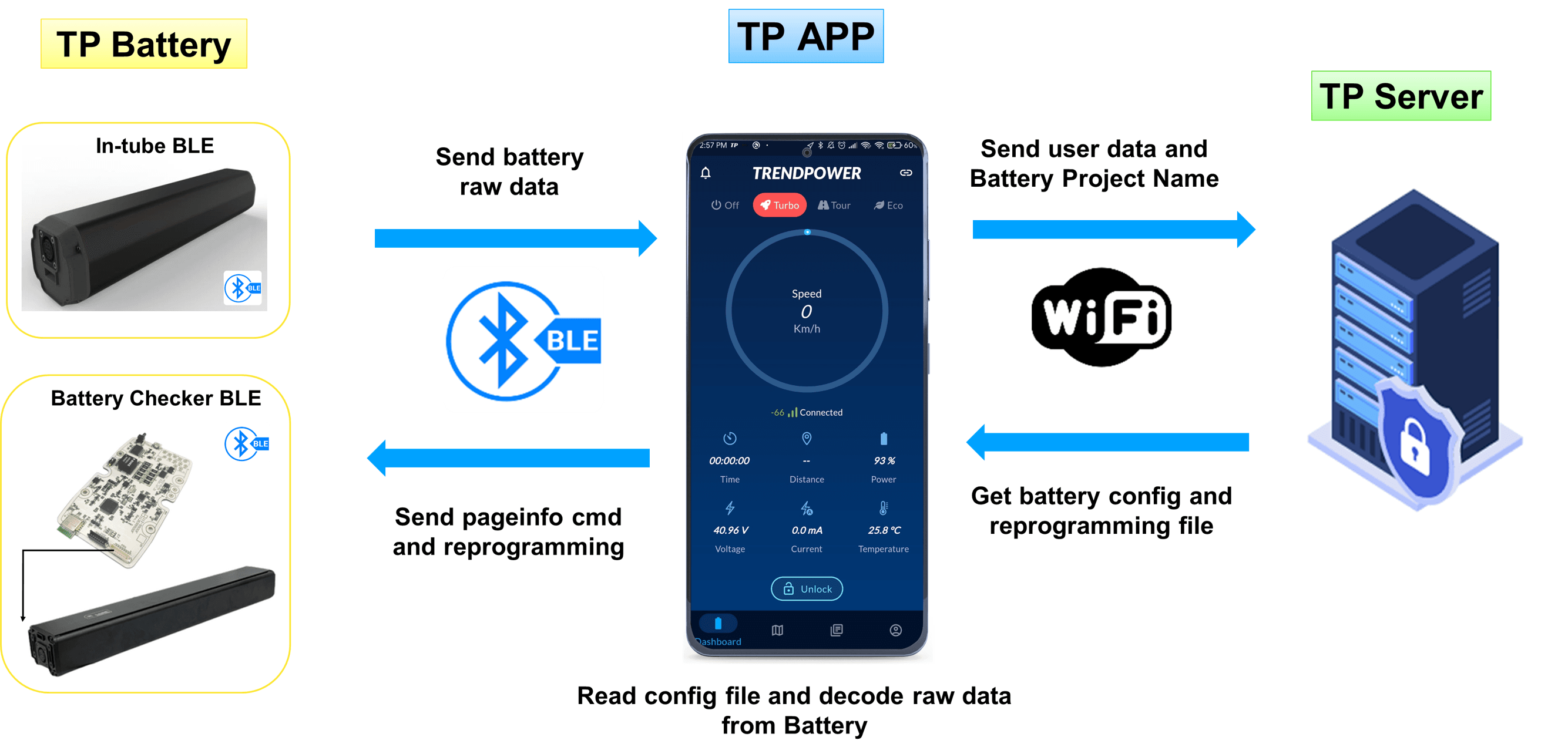
Mobile App for Battery Management System
The first cross-platform e-bike BMS app with BLE diagnostics, OTA updates, and real-time battery monitoring.
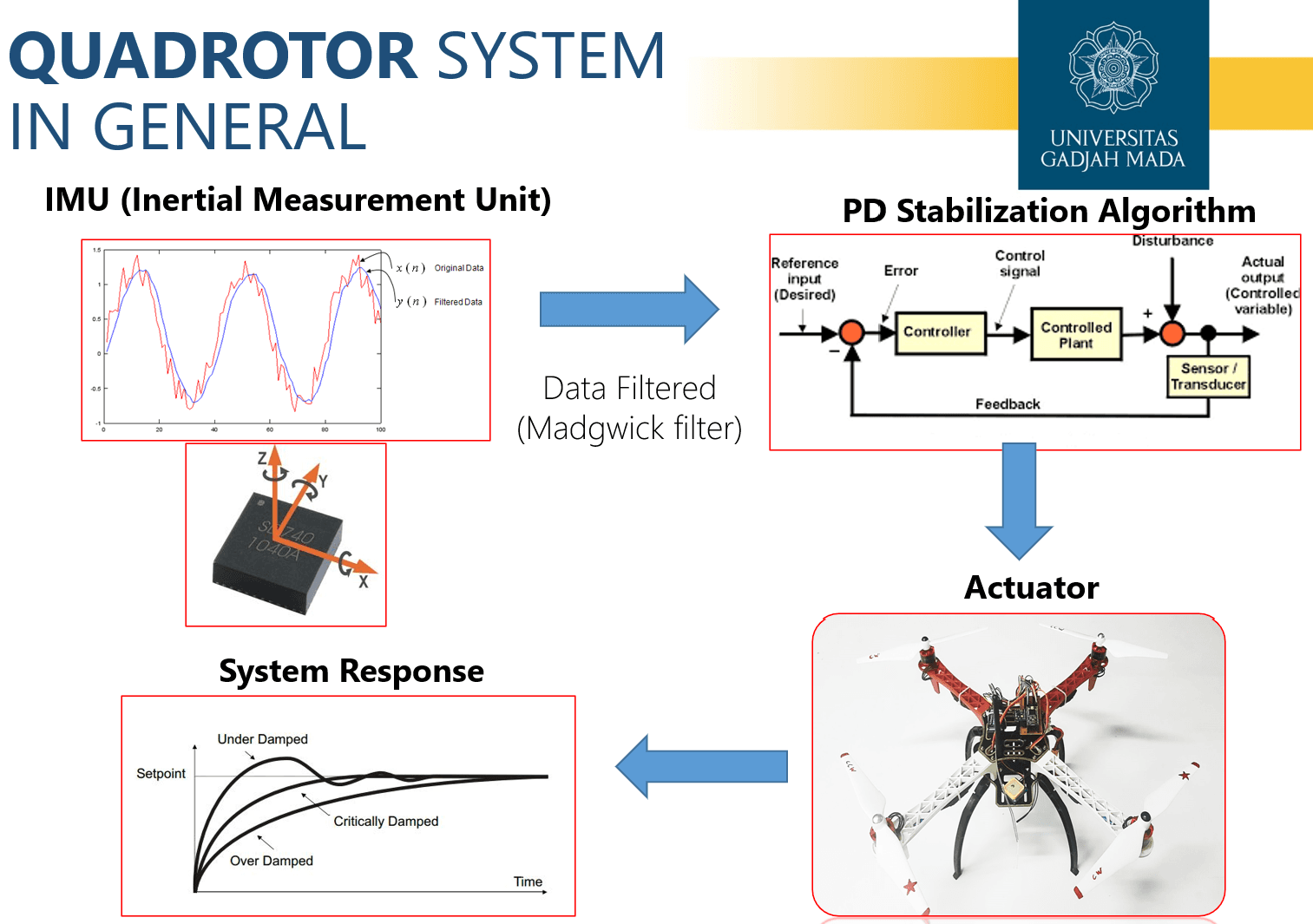
Final Project: Implementation of Quadrotor UAV PD Stabilization on Quaternions with Madgwick Filter
Built a quaternion-based quadrotor stabilization system using Madgwick filter and PD control for real-time UAV attitude stability.
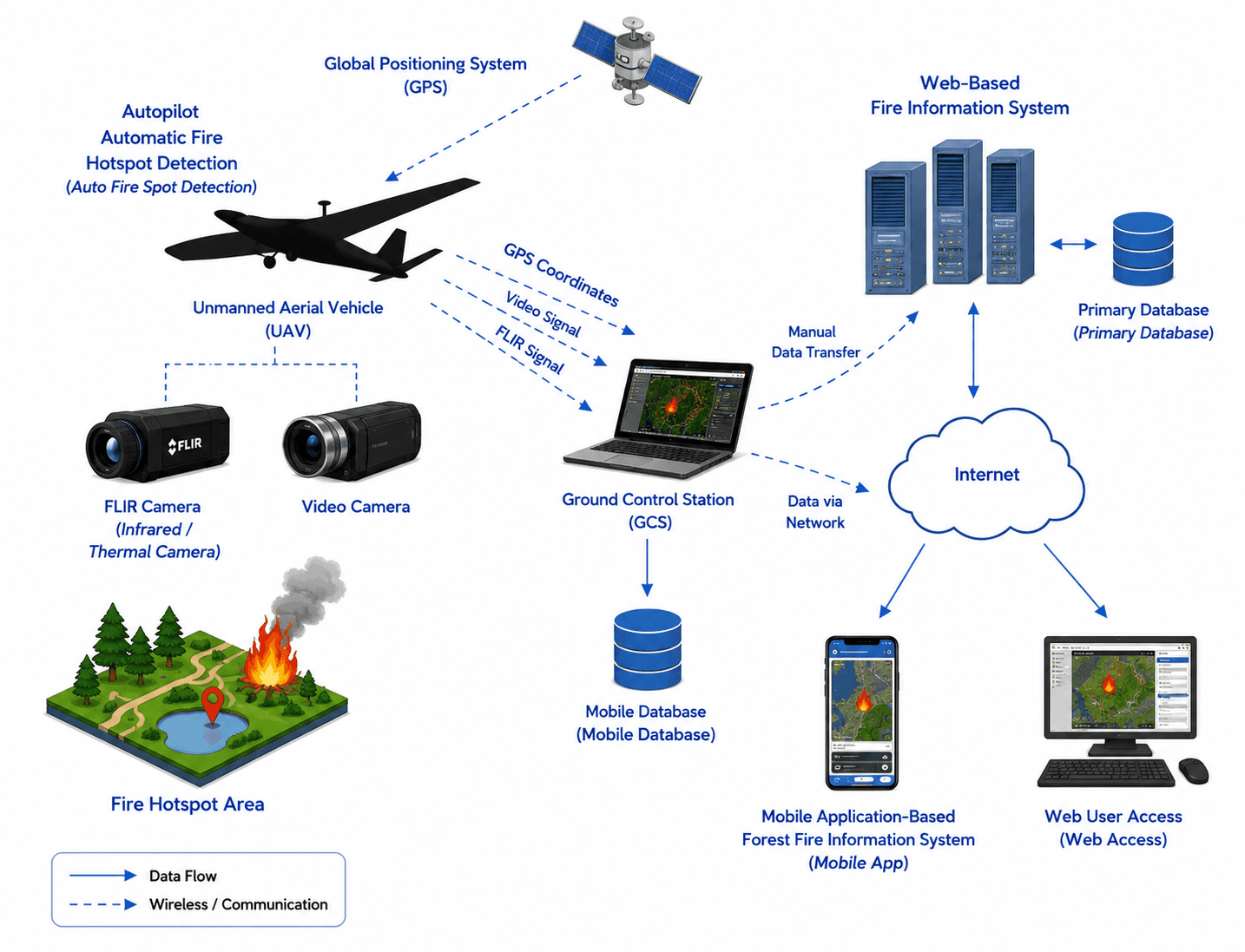
Wireless Sensor Network: Fire Forest Monitoring & Detection
UAV hardware systems for IMU Sensors, GPS telemetry and thermal fire monitoring with real-time aerial surveillance capability.